The Ruth Wiser Innovation Portal is a free educational voyage for classrooms, homeschool families, and curious learners of all ages. Each portal serves as a digital port of call, featuring engaging maritime-themed lessons designed for grades K–5 and grades 6–9. Whether learning from a classroom, kitchen table, or library, students can set sail on a journey of discovery through science, technology, engineering, and Great Lakes history.
Free to use, easy to access, and open to all learners
Fish Of The Great Lakes
This portal is designed for learners in grades 6–9 but may be enjoyed by curious learners of any age.
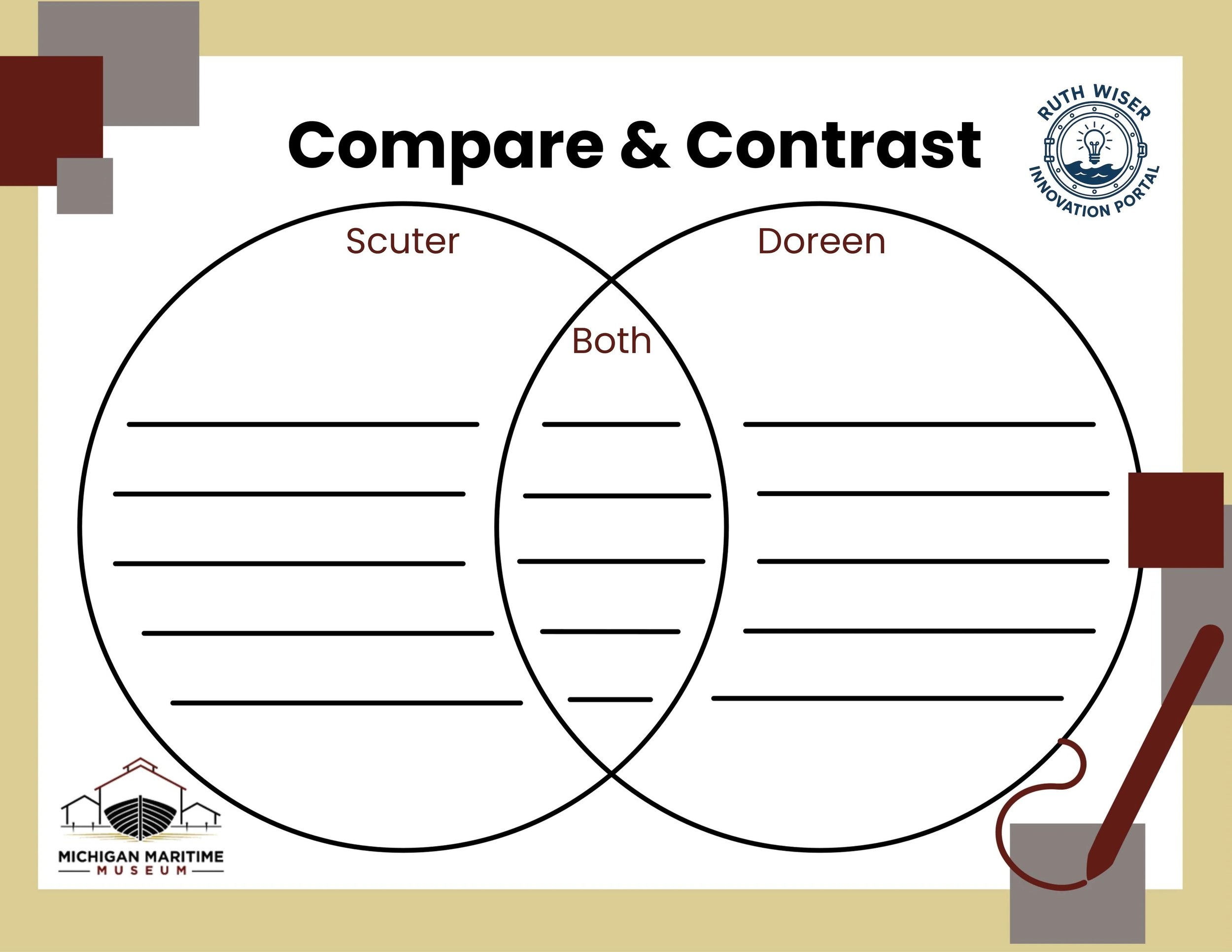
Explore the stories of the Lake Sturgeon and Arctic Grayling, two of Michigan's most historic and significant fish species. You’ll learn to compare and contrast their habitats, life cycles, and roles in Great Lakes ecosystems, and hear from experts working to understand, protect, and restore these remarkable fish for future generations.
Innovation Portal Video Class: Fish of the Great Lakes (Grades 6–9)
Innovation Portal Video Class: Invasive Species Treats To The Great Lakes (Grades 6–9)
Innovation Portal Hands-On Activity Video Directions: Fish of the Great Lakes (Grades 6–9)
Curriculum Alignment:
This lesson supports Michigan Academic Standards and incorporates concepts from the Next Generation Science Standards (NGSS) for 7th grade, including animal characteristics, habitats, life cycles, adaptations, and the relationships between living things and their environments.
Fish Of The Great Lakes
This portal is designed for learners in grades K-5 but may be enjoyed by curious learners of any age.
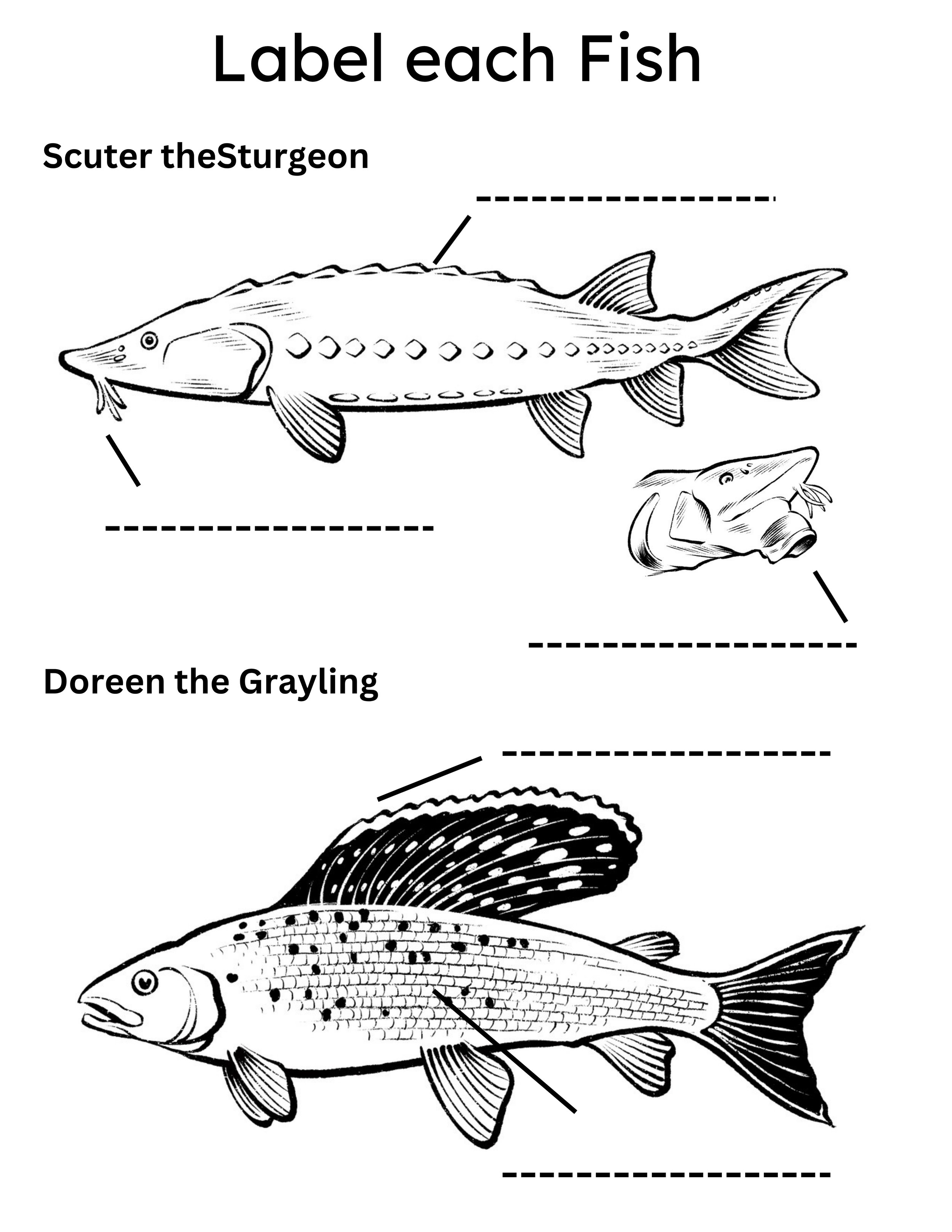
Discover the Lake Sturgeon and Arctic Grayling, two of Michigan's most historic and remarkable fish species. Learn what makes each fish unique as you explore their anatomy, identify and label their body parts, and uncover how their special adaptations help them survive in Michigan's waterways. Hear from experts working to understand, protect, and restore these iconic fish for future generations.
.
Innovation Portal Video Class: Fish of the Great Lakes (Grades K–5)
Innovation Portal Hands-On Activity Video Directions: Fish of the Great Lakes (Grades K–5)
Innovation Portal Video Class: Great Lakes Boats (Grades 6-9)
Curriculum Alignment:
This lesson supports Michigan Academic Standards and incorporates concepts from the Next Generation Science Standards (NGSS) for 3rd and 4th grade, including animal structures and functions, life cycles, habitats, and the importance of protecting native species.
Threats To The Great Lakes
Invasive Species
This portal is designed for learners in grades 6–9 but may be enjoyed by curious learners of any age.
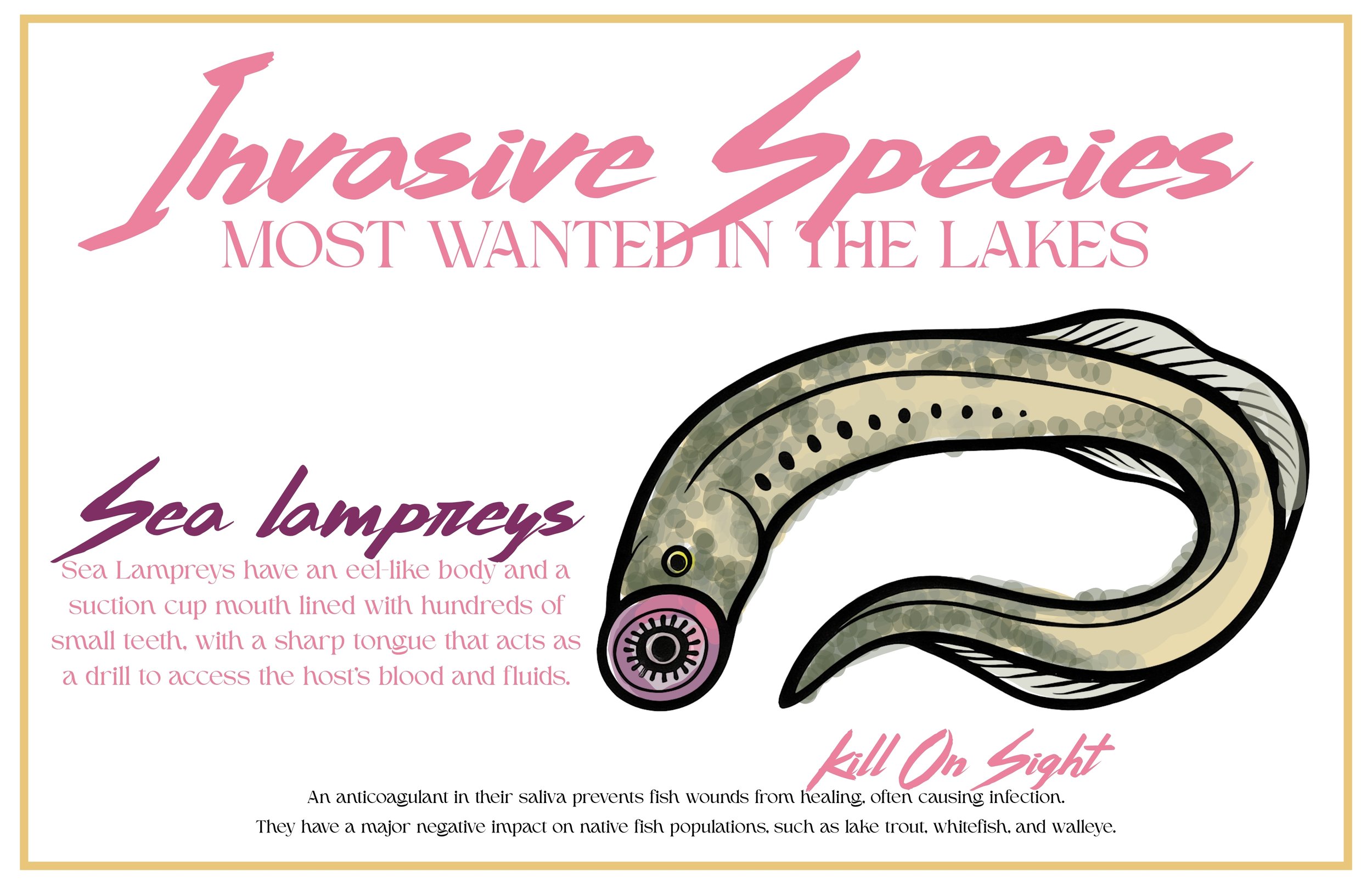
Explore the fascinating and sometimes surprising world of invasive species in the Great Lakes. Learn about the Sea Lamprey and Zebra and Quagga Mussels—two species that have dramatically changed the Great Lakes ecosystem. Discover how they arrived, how they impact native plants and animals, and what scientists, conservationists, and resource managers are doing to reduce their effects and protect the health of our waters. Hear from experts working on the front lines of Great Lakes conservation and explore why preventing the spread of invasive species is important for the future of Michigan's lakes and rivers.
Innovation Portal Hands-On Activity Video Directions: Invasive Species Treats To The Great Lakes (Grades 6–9)
Curriculum Alignment:
This lesson supports Michigan Academic Standards and incorporates concepts from the Next Generation Science Standards (NGSS) for grades 8–9, including ecosystem interactions, biodiversity, human impacts on the environment, invasive species, population dynamics, and the management of natural resources. Students will investigate how Sea Lamprey and Zebra/Quagga Mussels affect Great Lakes ecosystems and explore scientific and conservation efforts to protect native species and habitats.
Threats To The Great Lakes
Invasive Species
This portal is designed for learners in grades K–5 but may be enjoyed by curious learners of any age.
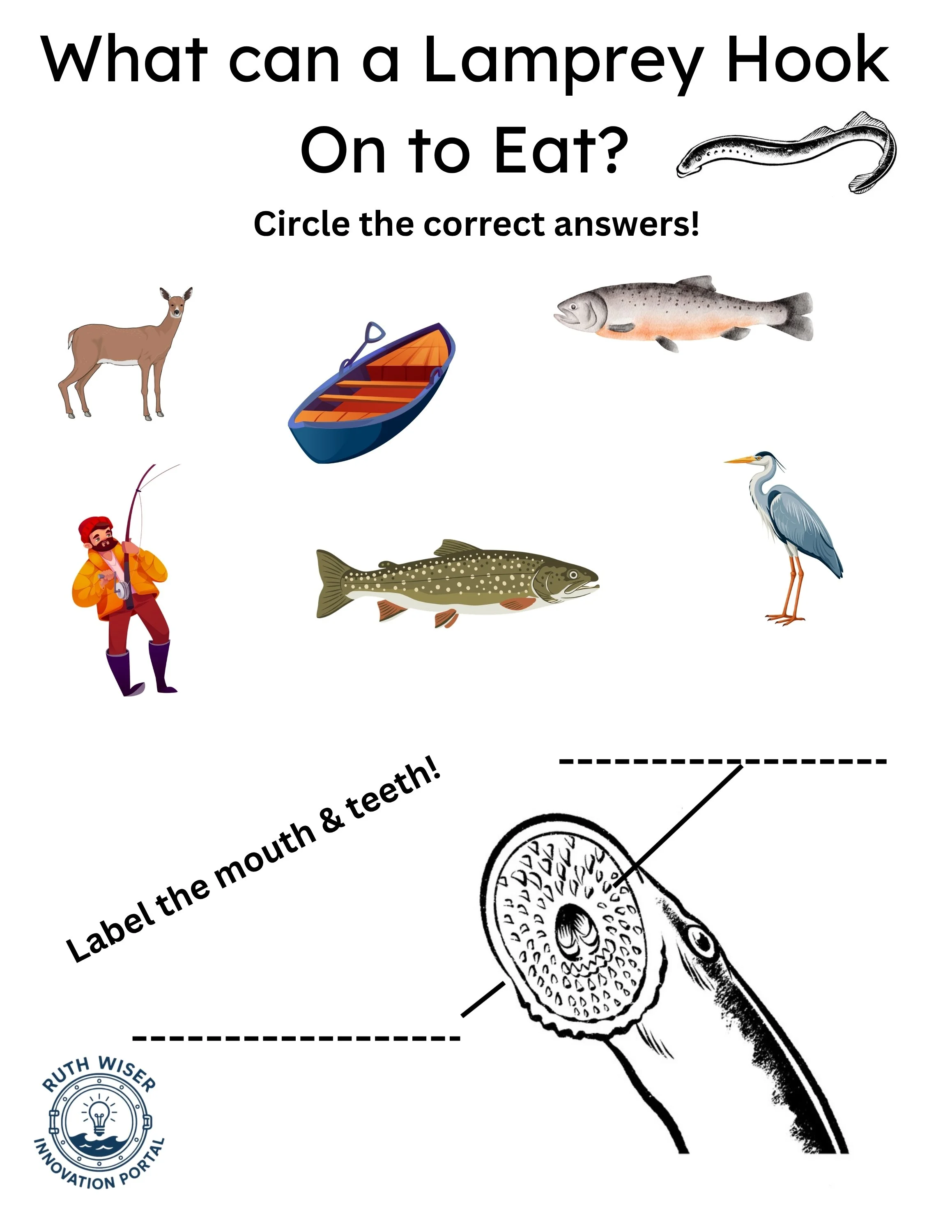
Explore the fascinating world of the Sea Lamprey, one of the Great Lakes' most well-known invasive species. Learn what a Sea Lamprey is, how it entered the Great Lakes, and why it can be harmful to native fish. Discover how scientists and conservationists work together to protect Michigan's lakes and rivers by managing Sea Lamprey populations. Hear from experts and explore why keeping Great Lakes ecosystems healthy is important for fish, wildlife, and people alike.
Innovation Portal Video Class: Invasive Species Treats To The Great Lakes (Grades K–5)
Innovation Portal Hands-On Activity Video Directions: Invasive Species Treats To The Great Lakes (Grades K–5)
Curriculum Alignment:
This lesson supports Michigan Academic Standards and incorporates concepts from the Next Generation Science Standards (NGSS) for 3rd grade, including life cycles, habitats, animal structures and functions, ecosystems, and the ways living things interact with their environment. Students will investigate the Sea Lamprey as an invasive species, explore its impact on native Great Lakes fish, and learn how scientists work to protect healthy aquatic ecosystems and native species.
The Great Lakes Boats
This portal is designed for learners in grades 6–9 but may be enjoyed by curious learners of any age.
Explore the fascinating world of Great Lakes boats and discover what makes them work. Learn the basic parts of a boat, from the hull, bow, stern, and deck to rudders, propellers, keels, and other features that help vessels move, steer, float, and stay stable on the water. Examine the unique designs of Great Lakes vessels, including freighters, fishing boats, sailing ships, and other working craft, and discover how their shapes and features were adapted for different jobs and conditions on the lakes.
Through examples from Great Lakes maritime history, explore how forces, materials, structure, and design all influence the way a boat performs. Then put your knowledge to work by learning the tools and engineering concepts needed to design, build, test, and improve your own plastic bottle boat.
Curriculum Alignment:
This lesson supports Michigan Academic Standards and incorporates high school concepts from the Next Generation Science Standards (NGSS) for grades 9–11, including forces and motion, energy, structure and function, engineering design, and the relationship between form and performance. Students will examine the major parts of a boat and explore how features such as hull shape, displacement, rudders, keels, sails, propulsion systems, and material choices affect stability, movement, steering, and efficiency. Using examples of historic and modern Great Lakes vessels, students will investigate how boats are designed for specific environments, purposes, and working conditions. Students will then apply the engineering design process to plan, build, test, evaluate, and improve their own plastic bottle boat using evidence from its performance.
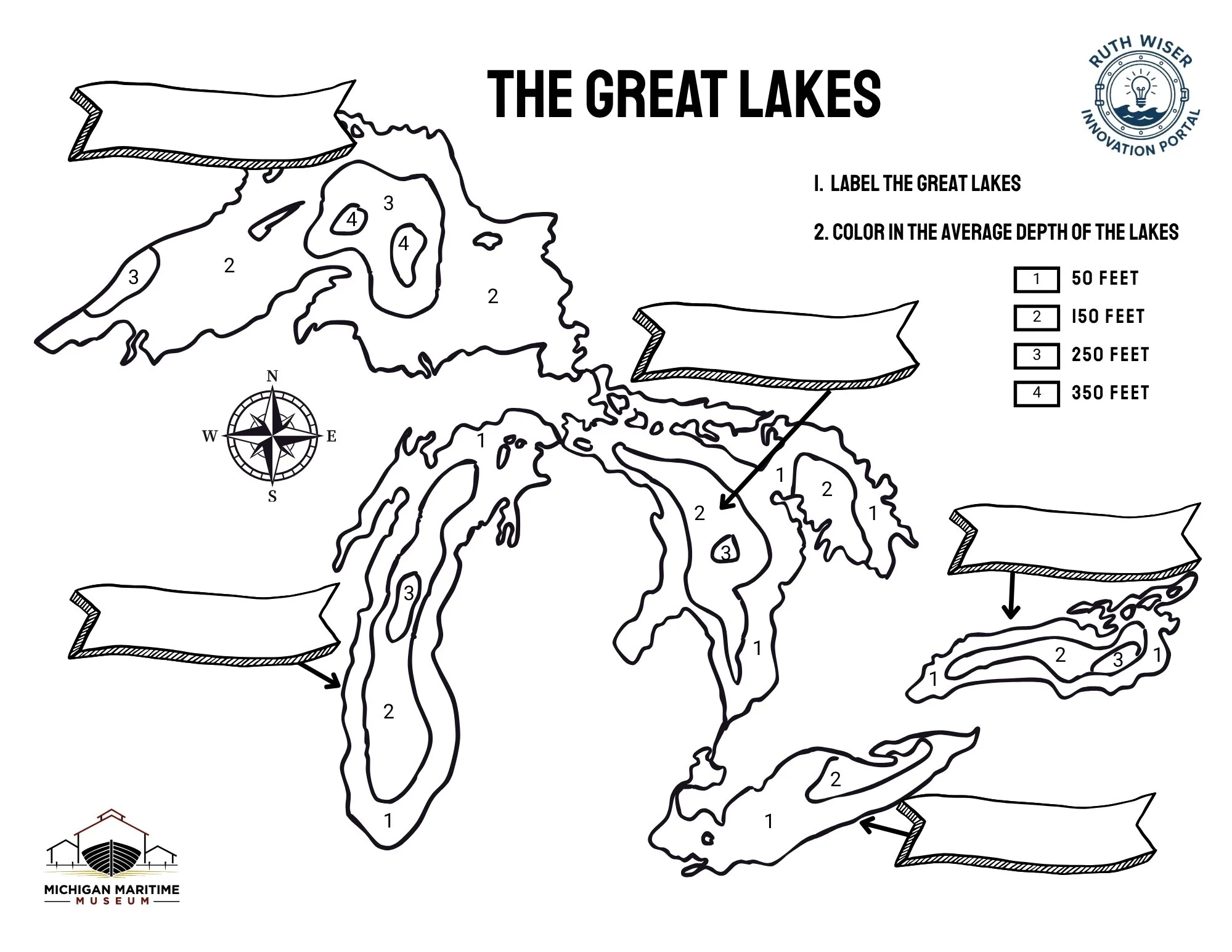
Great Lake Names (HOMES) Mini Lesson
Innovation Portal Video Class: Great Lakes Boats (Grades 6-9)
The Great Lakes Boats
This portal is designed for learners in grades K–5 but may be enjoyed by curious learners of any age.
Explore the amazing world of Great Lakes boats and discover what helps them float, move, and steer. Learn the basic parts of a boat, including the hull, bow, stern, deck, rudder, propeller, and keel, and find out what each part does.
Discover different kinds of boats found on the Great Lakes, including freighters, fishing boats, sailing ships, and other working vessels. See how boats are designed in different shapes and sizes depending on the jobs they need to do and the conditions they face on the water.
Using examples from Great Lakes maritime history, explore how materials, shapes, balance, and simple forces affect the way a boat works. Then put what you have learned into action as you design, build, test, and improve your own plastic bottle boat.
Curriculum Alignment:
This lesson supports Michigan Academic Standards and incorporates high school concepts from the Next Generation Science Standards (NGSS) for grades 9–11, including forces and motion, energy, structure and function, engineering design, and the relationship between form and performance. Students will examine the major parts of a boat and explore how features such as hull shape, displacement, rudders, keels, sails, propulsion systems, and material choices affect stability, movement, steering, and efficiency. Using examples of historic and modern Great Lakes vessels, students will investigate how boats are designed for specific environments, purposes, and working conditions. Students will then apply the engineering design process to plan, build, test, evaluate, and improve their own plastic bottle boat using evidence from its performance.
Great Lakes Trivia Mini Lesson
The Ruth Wiser Innovation Portal is made possible through the generous support of Ron and Ruth Wiser, Lawrence Technological University, and the Michigan Maritime Museum.